Repair or Replace: Reading the Signs on an Aging AC or Furnace
The system doesn't have to fail completely before it's worth asking whether repair still makes sense.
August 25, 2026 · 3 min read
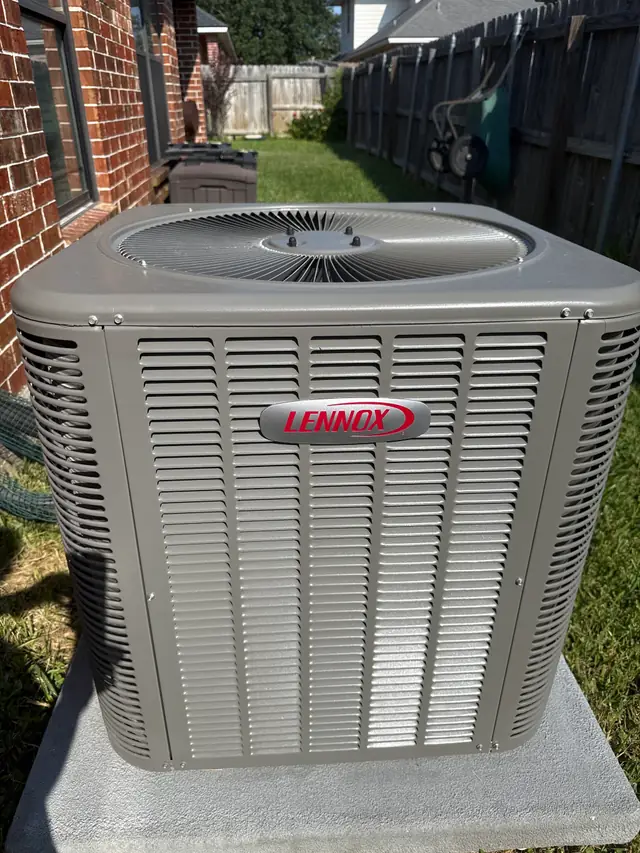
Age isn't the only number that matters
A well-maintained air conditioner or furnace can run fifteen to twenty years in this climate; a neglected one can struggle at ten. Age alone doesn't decide whether a system is worth repairing again. What matters more is the pattern: is this the first real repair in years, or the third call this cooling season. A single failed capacitor on an otherwise sound eight-year-old system is an easy repair call. A compressor failure on a fourteen-year-old unit that's already had a coil leak fixed and a blower motor replaced is a different conversation entirely.
What a compressor failure actually means
The compressor is the most expensive single part in an AC system and effectively the heart of it. When one fails on an older unit, the honest math usually points toward replacement rather than repair, because a compressor swap on an aging system is a major expense on equipment that's already running on borrowed time in every other respect. It's a different story on a newer system still well within its expected life, where a compressor covered under warranty is a straightforward repair.
Refrigerant leaks deserve the same kind of scrutiny. A single pinhole leak, found and sealed, is routine. A system that's needed refrigerant added more than once in a couple of years usually has a leak that keeps finding new places to open up as the coil ages, and repeatedly recharging it is treating a symptom rather than the cause.
Efficiency and comfort you can't always see on the bill
Equipment efficiency has moved a long way over the past couple of decades. A system installed in the early 2000s is running well below the efficiency of current Lennox, Trane or American Standard equipment, which means it's using more electricity to deliver the same cooling, every single hour it runs through a Texas summer. That gap doesn't always show up as an obvious spike on a bill because it's baked into every month rather than one dramatic jump, which is part of why it's easy to overlook when weighing repair against replacement.
Comfort tells a similar story. Rooms that never quite match the thermostat, a system that runs constantly on the hottest days without catching up, or humidity that lingers indoors even with the AC on, can all point to a system that was undersized or mismatched to the house from the start, something a repair can't fix because it was never a repair problem to begin with.
- Repair cost approaching a meaningful fraction of what a new system would cost
- More than one major component repair in the past two to three years
- A steady climb in cooling bills that isn't explained by rate changes
- Rooms that are consistently harder to cool than the rest of the house
JTech offers a second opinion or a free estimate on a new installation, and there's no job considered too big or too small to look at, whether that ends up being a repair, a replacement, or just an honest answer that the system has a few more good years left. The company also works with all makes and models for repairs and maintenance, not only the brands it installs new, and financing is available for a replacement, subject to approved credit.
A second opinion is worth more than it costs
The hardest part of this decision is usually timing, not math. A system that dies completely in July forces a rushed choice, often at exactly the moment there's the least patience to weigh it carefully. Getting ahead of that, having a real conversation about a system's condition before it fails outright, turns a forced decision into a planned one. That's true whether the honest answer ends up being another few years of routine maintenance or a full replacement with newer, more efficient equipment.
It's also worth remembering that repair and replace aren't the only two options on the table every time. Sometimes the right call is replacing one component, like an aging blower motor or a coil that's started leaking, while leaving the rest of the system in place if it's still sound. Other times a single repair on a system already showing multiple signs of age is really just delaying the same decision by a season. A straightforward look at the system's actual condition, rather than guessing off its age alone, is what turns that into an informed call instead of a coin flip.
JTech Mechanical, (281) 252-0360
Call (281) 252-0360More articles
Why Air Conditioners Fail in Montgomery County in August
The heat doesn't break your AC in a single afternoon. It finishes off a problem that's been building for weeks.
What Twice-a-Year AC Maintenance Actually Involves
Two visits a year, timed right, catch most of what turns into an August breakdown.